
Advertisements
Do you want to enjoy the best shopping and travel benefits in Australia, but find yourself lost among so many fees, annual charges, and reward points rules? Clearly understanding what the real Westpac Altitude Card benefits are is the first step. This prevents spending money unnecessarily on fees that bring no return to your financial routine.
Here is the right place to find all Westpac Altitude Card benefits. We compared every version in the line, the points rules, exact costs, and included insurance. This way, you find everything you need in a single place, straight to the point and without complicated jargon.
Follow this article to the end to learn the pros, cons, and all the Westpac Altitude Card benefits before submitting your application. Discover now which option truly matches your profile and budget!
What Is the Westpac Altitude Card Line?

The Westpac Altitude line brings together the main credit cards designed for those who want to earn points, travel with more comfort, and have financial protection.
As a rule, Westpac is one of Australia’s four major banks and designed this product family for different income profiles.
When applying for a card in this line, you have the freedom to choose how you want to receive your rewards. The bank offers three main pathways:
- Altitude Rewards: The bank’s own rewards program, where you accumulate flexible points to redeem for products, gift cards, or transfer to partner airline programs.
- Altitude Qantas: The points from your monthly statements turn directly into Qantas Frequent Flyer miles every month.
- Altitude Velocity: A direct option to transfer miles to the airline Virgin Australia.
In addition, the Altitude line is divided into two tiers for individuals: Platinum and Black. There is also a division for businesses, called Altitude Business. Each tier meets a specific spending volume and lifestyle.
Main Categories and How Each Westpac Altitude Card Option Works
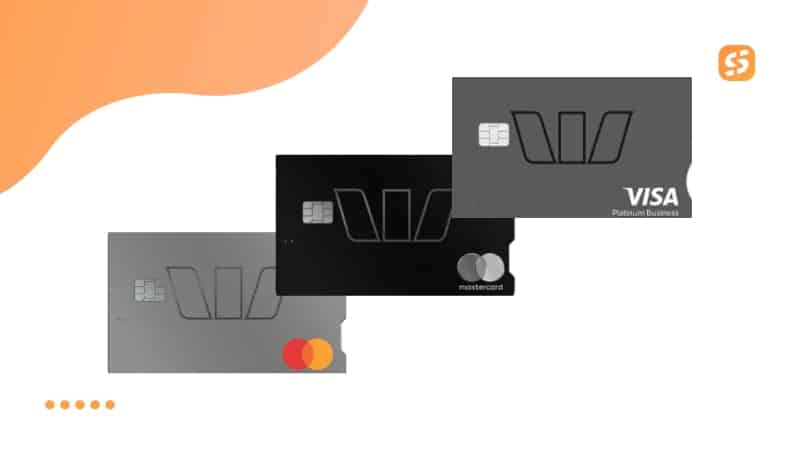
To understand the practical benefits, it is essential to analyze each option separately. Each card comes with very different income requirements, fees, and service packages.
1. Westpac Altitude Platinum (Westpac Altitude Card benefits)
The Platinum card is the entry level for those who want to earn points without paying a very high annual fee. It was designed for average-income consumers seeking travel protections without compromising their budget.
To request this version, the bank requires a minimum annual income of AUD 30,000 and approves an initial credit limit starting at AUD 3,000. The standard annual fee is AUD 175 on the Altitude Rewards program.
If you prefer earning Qantas or Velocity points, there is an additional fee of AUD 75 per year to keep the program active, totaling AUD 250 annually.
The standard interest rate for purchases or revolvers is 20.99% p.a. Therefore, the card is only worthwhile if you pay the entire statement balance on time every month.
Among the positive points of the Platinum, the highlights are:
- Earning up to 2 points per dollar spent overseas and 1.25 points at supermarkets and gas stations in the Altitude Rewards version.
- Complimentary international travel insurance with emergency medical coverage.
- Extended warranty for eligible purchases paid with the card.
- Up to 45 interest-free days to pay for your daily expenses.
On the other hand, the card has limitations. There is an AUD 5,000 monthly spend cap per statement to earn maximum points. Above that amount, point earning is halved.
In addition, international purchases incur a foreign transaction fee of 3.0%.
This model is suitable for those who spend moderately day-to-day, want good insurance for family vacations, and prefer to keep fixed costs low.
2. Westpac Altitude Black
Altitude Black is the most comprehensive and sophisticated card for individuals offered by Westpac.
It was created for high spenders who value comfort at airports and during long trips.
The minimum annual income requirement for the Black version is AUD 75,000, with an initial credit limit starting at AUD 6,000.
Note that the annual fee for the card is AUD 295 for the Altitude Rewards program.
If you choose the Altitude Qantas Black or Velocity Black version, the program fee adds AUD 75, raising the total cost to AUD 370 per year.
Purchase interest rates follow the 20.99% p.a. standard, while cash advance interest rates are set at 21.99% p.a.
The biggest advantages of Altitude Black include:
- Airport lounge access: complimentary Priority Pass membership with two annual visits for Altitude Rewards, or two digital invitations to Qantas Club or Virgin Australia Lounges for airline versions.
- 24/7 personal Concierge service for restaurant reservations, event bookings, and flight tickets.
- Expanded monthly points cap to AUD 10,000 per statement before point reduction applies.
- Comprehensive international insurance package for the primary cardholder and dependents.
Among the disadvantages, the total annual cost of up to AUD 370 requires a relevant spending volume to generate a real return. The 3.0% foreign transaction fee remains active, which reduces net gains on overseas spending.
3. Westpac Altitude Business Platinum
For registered businesses needing to fund operational expenses, Altitude Business Platinum provides solutions tailored to cash flow management.
The annual fee for this corporate card is AUD 200, with a minimum credit limit of AUD 5,000 and an income requirement of AUD 30,000.
As a rule, the purchase interest rate is slightly lower than personal cards: 20.24% p.a.
The most significant advantages of this option are:
- No monthly points cap, allowing points to be earned on large inventory or supplier purchases.
- Extended interest-free period of up to 55 days for payment.
- Direct integration with accounting software, simplifying tax control.
- Option to transfer points to five partner airline frequent flyer programs.
The main downside is personal liability. Thus, the primary cardholder’s personal assets remain liable for unpaid corporate debts.
This option is ideal for small and medium business owners who regularly buy inventory and want to convert business expenses into business trips or team rewards.
Quick Comparison of Westpac Altitude Card Costs and Benefits
For quick reference, see how key figures compare across each Westpac Altitude model:
| Westpac Altitude Card | Minimum Annual Income | Total Annual Fee (with airline program) | Minimum Credit Limit | Purchase Interest Rate |
| Altitude Rewards Platinum | AUD 30.000 | AUD 175 (AUD 250 if Qantas/Velocity) | AUD 3.000 | 20.99% p.a. |
| Altitude Rewards Black | AUD 75.000 | AUD 295 (AUD 370 if Qantas/Velocity) | AUD 6.000 | 20.99% p.a. |
| Altitude Business Platinum | AUD 30.000 | AUD 200 | AUD 5.000 | 20.24% p.a. |
Conclusion
The Westpac Altitude range delivers a solid set of benefits. This holds especially true for those who regularly consolidate all monthly expenses on their credit card to convert everyday spending into flight tickets and comfortable travel experiences.
If your budget is tighter and you are looking for purchase protections without paying heavy annual fees, the Platinum version fulfills this function very well. On the other hand, if your income accommodates larger expenses and lounge access is high on your priority list, the Black version justifies the annual investment.
The key to benefiting from these cards is paying 100% of the statement balance on time every month. That way, you avoid high interest rates and enjoy only the advantages the product offers. Analyze your spending pattern, calculate annual fee costs, and choose the right option for your plans today!
To explore options from other banks in Australia, check out our full review of NAB credit card Australia options and compare the benefits.
Explore more credit card options
Compare features and review other credit card options that may interest you.