Advertisements
Looking for an honest review of the tech giant’s credit card? In this complete apple card credit card review, we will reveal if this option is truly worth it for your wallet.
With the promise of eliminating fees and making iPhone payments easier, the product attracts millions. However, understanding every detail of this apple card credit card review is essential before applying.
Follow this practical guide where we will examine the cashback, interest, and benefits of the card. By the end of this apple card credit card review, you will know exactly if it fits your financial profile.
What is the Apple Card and how does it work in practice?
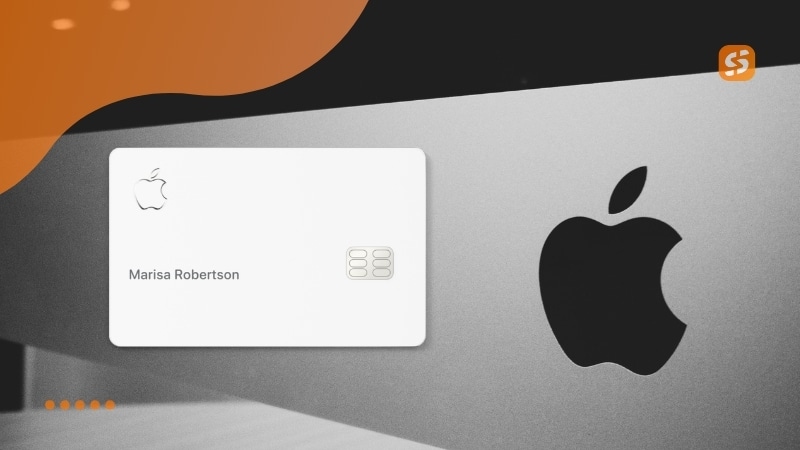
The Apple Card is a credit card created by Apple in partnership with Goldman Sachs and the Mastercard network.
It was tailored for those who already use the company’s ecosystem of devices.
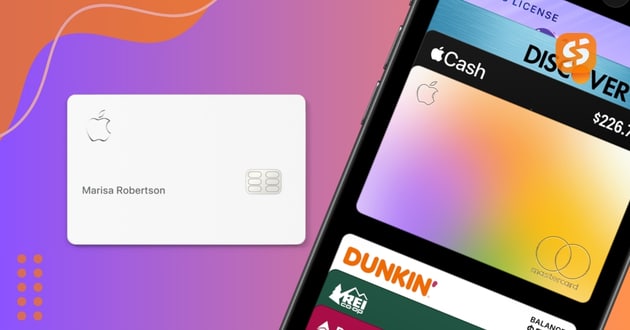
Unlike traditional cards, it lives primarily within the Apple Wallet on your iPhone.
You can make virtual or in-person purchases via contactless payment instantly after your application is approved.
There is also a physical version of the card made of titanium, with an elegant design and no printed numbers.
This feature ensures enhanced security, reducing the risks of cloning or data theft in physical stores.
How does Daily Cash work on the Apple Card?
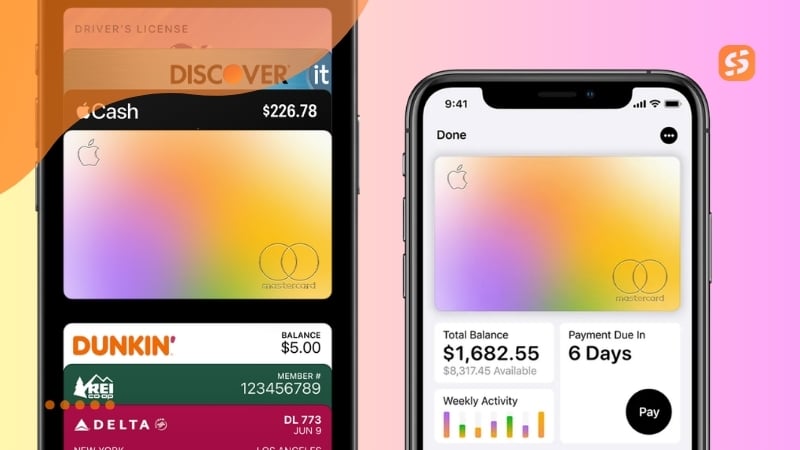
The product’s big draw is its daily rewards program, called Daily Cash. Unlike other programs that require accumulating monthly points, the money goes into your account every day.
You can accumulate unlimited rewards with no maximum earning cap, and you can immediately use your balance to pay bills, transfer funds to friends, or cash out directly to your bank account.
The 3-tier cashback rule
To maximize your cashback, you must understand how the card distributes rewards across different spending categories:
- 3% cashback: Applied to all direct purchases of Apple products and at selected partners (such as Nike, Uber, Walgreens, and ExxonMobil) using Apple Pay.
- 2% cashback: Valid for any purchase made at any merchant, as long as Apple Pay technology is used.
- 1% cashback: You earn this base rate on purchases made with your physical titanium card or when you use your virtual card number at merchants that do not accept Apple Pay.
Automatic savings with daily yield (Apple card credit card review)
Another big differentiator is the integrated Savings account offered by Goldman Sachs.
Thus, you can set the card to automatically deposit all your Daily Cash into this account.
The savings account offers a yield of 3.40% APY (annual percentage yield), with no maintenance fees or minimum balance requirements.
Undoubtedly, it is an excellent way to grow your money without extra effort.
How does the Apple Card compare to competitors?
The return of up to 3% is very attractive for fans of the brand.
However, the mere 1% rate on the physical card can be a disadvantage if you often shop at places without contactless payment support.
The convenience of daily returns via Apple Pay is a big draw. However, if your primary focus is maximizing returns on everyday purchases or obtaining high welcome bonuses, other options might be better.
Therefore, it is worth checking out our guide to the Best credit cards for cashback to compare the Apple Card with other market-leading options.
Truly zero fees or a trap? Understanding the costs (Apple card credit card review)
One of the biggest competitive advantages highlighted by Apple is the total absence of hidden fees.
The card’s fee policy includes:
- Annual Fee: $0.00
- Foreign Transaction Fee: $0.00
- Late Payment Fee: $0.00
- Over-the-Limit Fee: $0.00
However, the absence of fees does not mean an absence of interest. If you do not pay the full balance by the due date, a variable interest rate (APR) will apply. This rate ranges between 17.49% and 27.74% per year, depending on your credit assessment.
The app’s interface clearly and visually displays the exact amount of interest charged as you adjust the bill payment slider, encouraging full payment to avoid additional costs.
Requirements and the right way to apply for the Apple card credit card without affecting your score
To be eligible to apply for the card, the interested party must meet some basic requirements demanded by the issuing institution:
- Be at least 18 years old.
- Be a U.S. citizen or a lawful permanent resident with a U.S. address.
- Possess a Social Security Number (SSN) or ITIN.
- Have a compatible iPhone configured with two-factor authentication.
The advantage of the soft credit inquiry (Soft Inquiry)
The application process is done directly through the Wallet app or on the official Apple website in a few minutes.
The big benefit is that the initial assessment only makes a soft inquiry into your credit history. This means you can see the approved limit and the offered interest rate without impacting your FICO Score.
The hard inquiry, which can temporarily alter your score, only happens if you decide to accept the proposal. The average credit score of approved users is approximately 707 points.
Pros and Cons: Is it worth it for your profile? (Apple card credit card review)
Before making a decision, check out the summary of the product’s strengths and weaknesses:
Advantages:
- No annual fees or hidden fees, including on international trips.
- Automatic daily cashback deposited directly into your account or savings.
- Excellent interface for managing personal finances on the iPhone.
- High-security titanium card with no exposed numbers.
- Installments up to 24x interest-free for purchasing Apple products.
Disadvantages:
- Exclusive for iOS device users.
- Low 1% return when using the physical card in traditional stores.
- Does not offer welcome bonuses in cash like competitors.
- Inability to perform balance transfers from other cards.
What do customers and market reviews say? (Apple card credit card review)
In satisfaction surveys conducted by specialized bodies such as J.D. Power, the card has consistently achieved top positions. This is due to its high level of user experience.
However, some competitors have recently surpassed the card in consumer preference due to airline mile accumulation programs and travel-focused benefits.
Additionally, occasional issues reported by customers to the Better Business Bureau (BBB) involve delays in fraud dispute handling by the issuing bank’s support.
Frequently Asked Questions (FAQ)
- Does the Apple Card charge fees for international purchases? No. You can use the card abroad without paying any additional foreign transaction fees. Currency conversion is done directly by the Mastercard network rate.
- Can I share the card with my family? Yes. With the Apple Card Family feature, you can share the account with a co-owner or add participants from age 13 with personalized spending limits.
- What happens if I am late with my bill payment? You will not pay a fixed late fee, but the outstanding balance will continue to accrue interest, and the delay may be reported to credit bureaus.
Conclusion
The Apple Card stands out as a modern, transparent, and fee-free option, ideal for those who already use an iPhone daily.
Its daily cashback system and integration with a savings account yielding 3.40% per year offer practical financial management. This system is very accessible.
On the other hand, the mere 1% reward on the physical card may disappoint some users. Also, the absence of travel benefits may be a factor for those seeking greater advantages outside the brand’s ecosystem.
If you want simplicity and frequently buy products from the company, it is an excellent choice. Analyze your profile and check our card guides to make the best decision for your wallet!
Explore more credit card options
Compare features and review other credit card options that may interest you.